98) The First Renaissance

Carl Sagan’s and Richard Turco’s A Path Where No Man Thought applied data from natural disasters of volcanoes and asteroid impacts to the same resulting phenomena from high-yield nuclear weapons exchanged in a world war. They found temperatures plunged world-wide due to the massive amount of smoke and ash lofted high in the sky. 

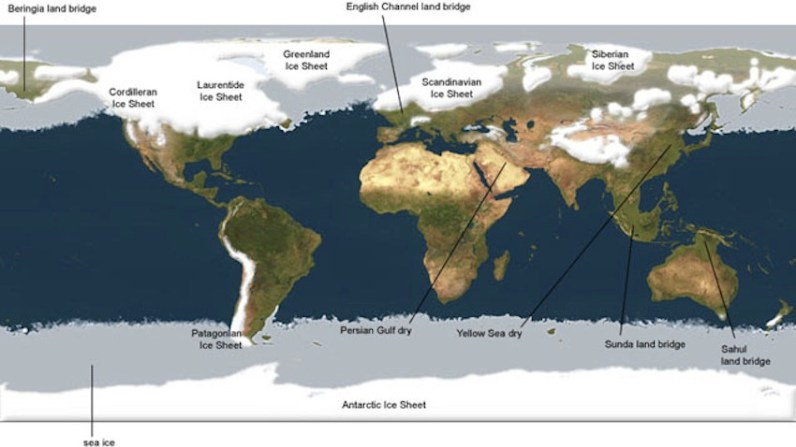
Research into abrupt climate change refutes the evolutionary paradigm underpinning long earth ages for all natural phenomena. The discovery of evidence for abrupt shifts in regional and global climates in the ice core records of Greenland  and Antarctica dates the last ice age to the time of Noah’s flood.

These findings confirm that the Neo-lithic Age is the biblical account of the post-flood repopulation of the earth starting about 2300 BC, i.e. ~1500 years after Adam and Eve began the human race.

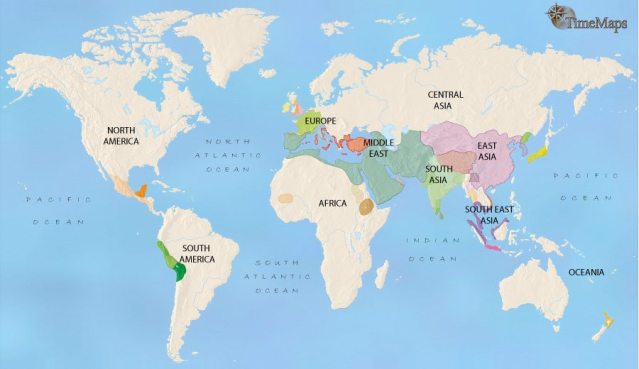
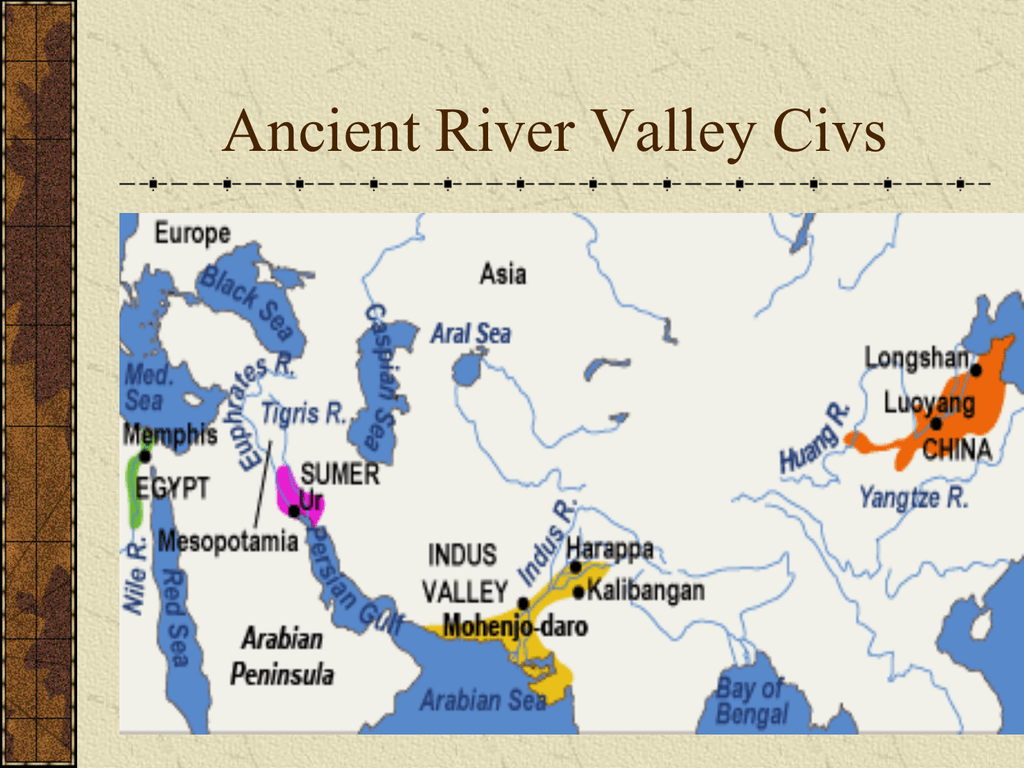
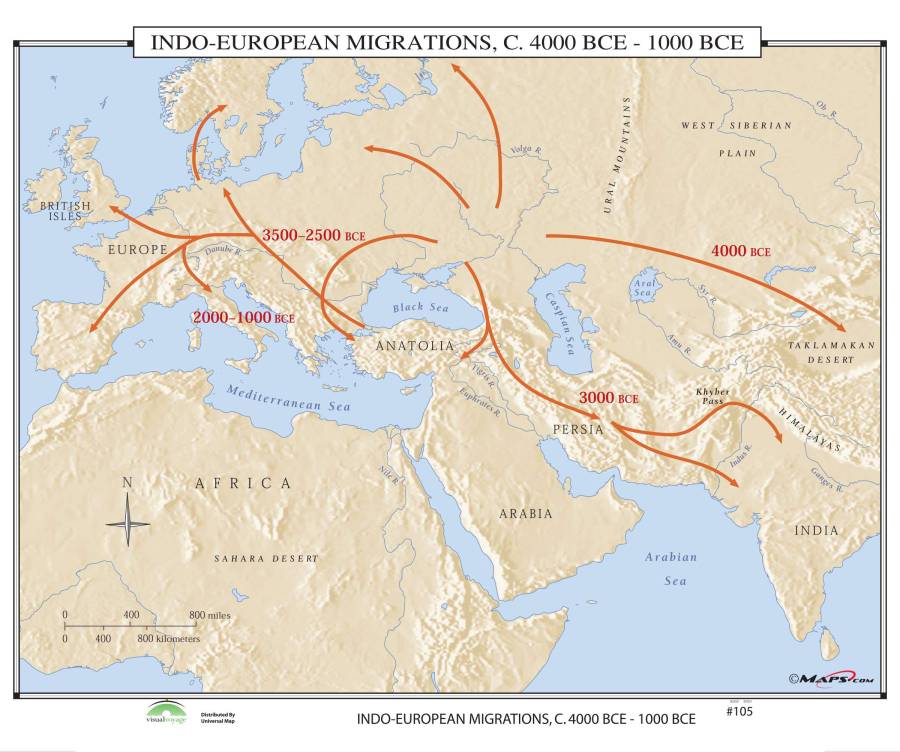
This is also confirmed by the archeological map of civilization spreading throughout the habitable earth in the equatorial middle during the geological era of Pangea, before the single land mass separated into continents.

converted HIPS image

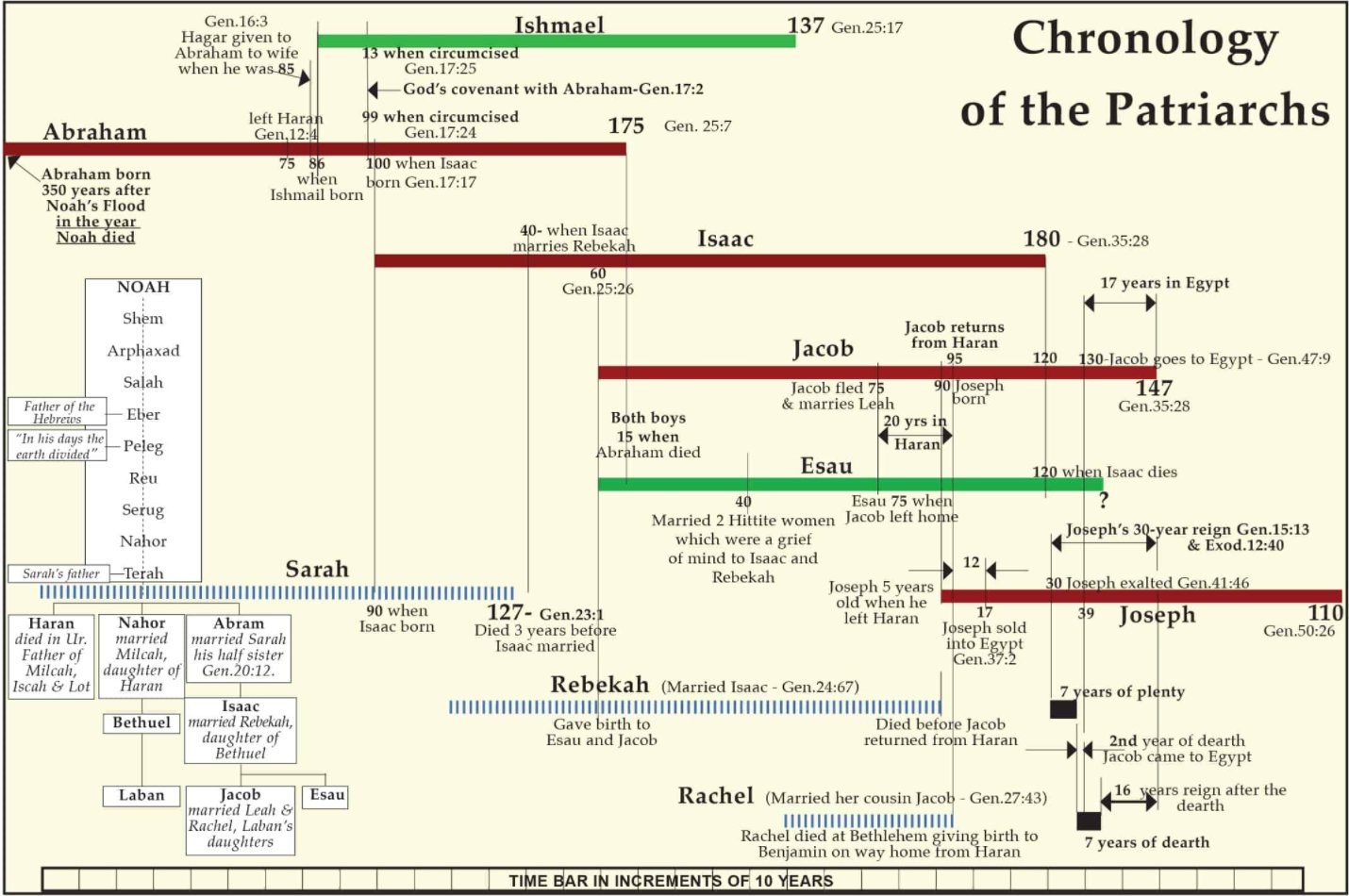
Although there is only about 200 years between the flood and Peleg “in whose days the earth was divided” there is no scientific basis for assuming the division occurred all at once resulting in the continents as we know them. The notice given about land division, as in all events taking an extended period of time, is dated at the commencement. And once it became apparent that such a break-up was occurring, we can be certain that there was a rush to use the developing barrier developing behind those in flight from the war zone in Mesopotamia.

750ad0202
 

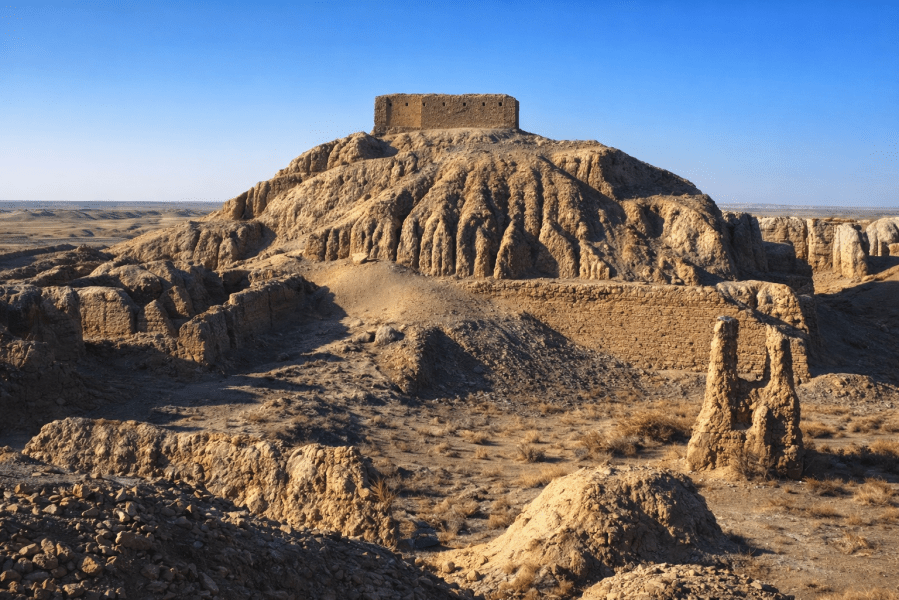
“Mesopotamia’s cities roared back into prominence within a couple of centuries.” Earth’s Earliest Civilizations: “Full Blown – Full Grown”

Continue reading “98) The First Renaissance”

99) Beauty And The Beast

The Disney adaptation of Beauty and the Beast is based on the French version, written in 1740 when France’s Renaissance was in full bloom. In keeping with France’s restoration of the old gods along with the rest of the Roman Republic, this story is an update of one found in all corners of the world going back over 4,000 years, making it 1,000 years older than Homer. such as the Latin Cupid and Psych written in the 2nd century AD, the Indian Panchatantra known to have existed in oral form well before it appeared in print in 500 AD, the Chinese tale of The Fairy Serpent and the Italian tale Zelinda and the Monster.

The French version was published in “The Young American and Stories from the Sea”, acknowledging the concurrent rise of the ancient empire in France’s allied state, the young American Republic. When we strip away the elegant French dressing and ethnic varietals to the bare biblical perspective, we recognize that:

In-anna / Queen [of] Heaven is one of the most powerful and complex deities in a culture in which female goddesses were equally worshipped and integrated into daily life with male gods. Her defining attributes of love, fertility, and war, when filtered through the biblical lens, are recognized as sex, hybrids and the battle to destroy mankind.

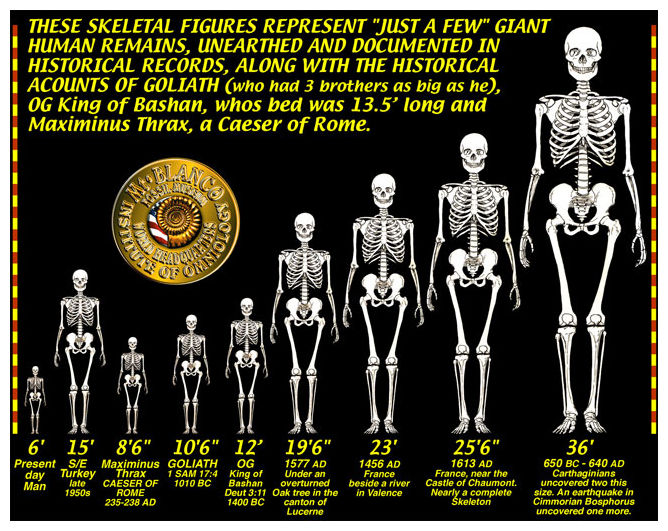
100) There Were Giants In The Earth Again

From a biblical perspective the fact of giants after the Flood is not in question. 

We can rephrase the statement regarding the production of the hybrids without changing any of the meaning: 

  1. There were giants in the earth in those days [before the flood] when the sons of God came in unto the daughters of men, and they bare children to them,
  2. and also after that [the flood], the same [offspring after the flood] became mighty men which were of old, men of renown.” (Genesis 6:4)

The only question debated is how these hybrid giants were produced after the flood, since the punishment on the pre-flood fallen angels was so severe as to prevent recurrence.

the angels which kept not their first estate, but left their own habitation, he hath reserved in everlasting chains under darkness unto the judgment of the great day…set forth for an example, suffering the vengeance of eternal fire.” (Jude 6-7)

So what is another explanation for the production of giants after the flood?

101) Rebuilding Giant Genomes

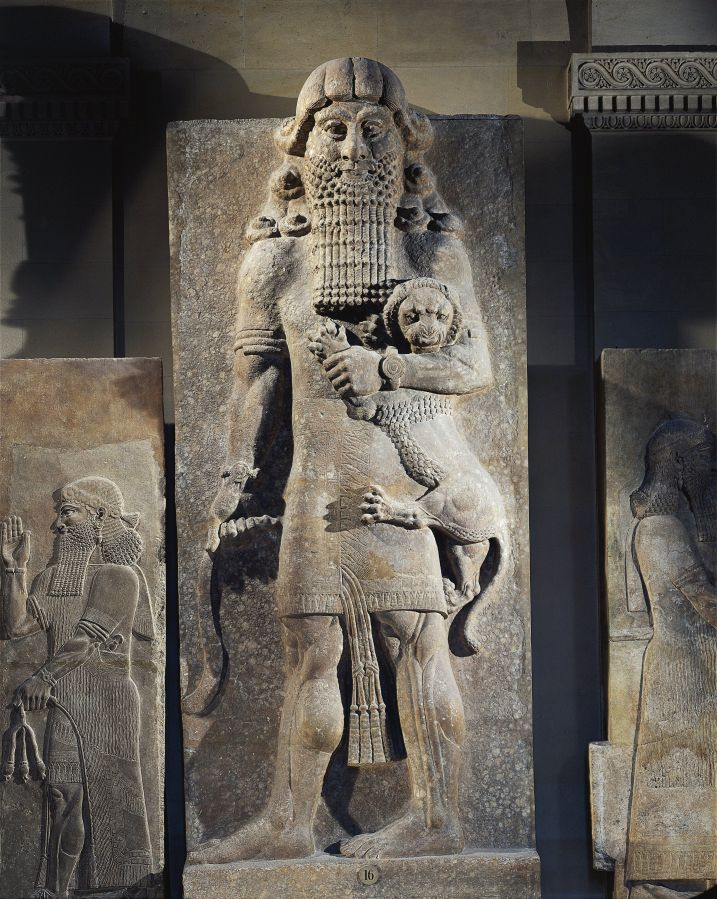
 The Epic of Gilgamesh, which endorses the biblical account of creation – with twists of course – reports the world-destroying flood as a recent event and relates the fierce battles for dominion over the earth by the survivors of the flood. In this account is reported the first hybrid in post-flood literature, Enki-du, meaning created by Enki / Lord of the Earth, i.e. Satan.

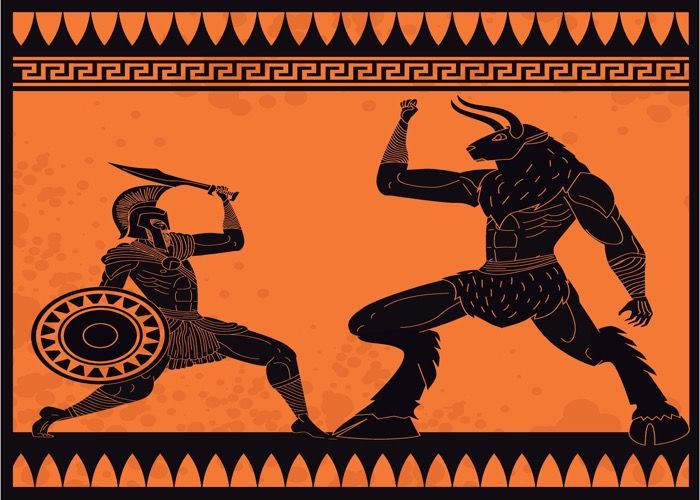
Described and depicted as part man and part bull, Enkidu was a recreation of the pre-flood Minotaur, the offspring of a bull and the wife of King Minos, demigod founder of the pre-flood Minoan civilization. The palace at the archeologically restored capitol city of Knossos on Crete is still called the Palace of Minos and is one of the famous archeological sites in the world.

This hybrid was able to be recreated after the flood because “unclean” / hybridized god-animal creatures had been brought through the flood with their angelic genes, allowing for the re-pairing of angelic genes between hybrids, animal or human.
Continue reading “101) Rebuilding Giant Genomes”

SECTION XVIII: Canaan’s Abominations

The first hybrid producer Canaan had literally hundreds of years to grow fertile families of hybrid giants. Not all are specifically named in the Bible as giants, but in context they are certainly included. 

“And Canaan begat [named as his heirs]

      1. Sidon his “first born” / ranked above the others – best known by their maritime rival Japhethite Greek name of Phoenicians.
      2. and Heth
      3. the Jebusite – who conquered the city of God
      4. the Amorite
      5. the Girgasite
      6. the Hivite
      7. the Arkite 
      8. the Sinite
      9. the Arvadite
      10. the Zemarite
      11. the Hamathite.”

      According to archeologists, the Canaanites were not made up of a single ethnic group but consisted of a diverse population evidenced by a great variety of burial customs and cultic structures.

      This is consistent with Canaan

      1. fathering multiple hybrids with his grandmother with varying giant traits determined by the shuffle of the genes during meiosis of sperm and egg,
      2. with the resulting fertile giant offspring generating diverse hybrids based which mix of giant genes they received
      3. with the differences entrenched by the incestuous breeding necessary to ensure maximum expression of gigantism.

      Continue reading “SECTION XVIII: Canaan’s Abominations”

      102) The Canaanite Pandemic

      Canaan’s people were the ambassadors / evangelists / missionaries for the worship of a universal Seed of the Serpent to draw humanity away from the worship of the one true Seed of the Woman. Any features distinguishing between the gods of the nations can be attributed, not to different individual gods, but language and ecologically based cultural differences as the Canaanite nations were spread throughout the world.

      According to the Canaanite pantheon the creator was known as Elion / עֶלְיוֹן “the most high / powerful” Elion was acknowledged by the Canaanites to be the father of the [lesser] divinities. However, in what is clearly the corruption of the sacred union of the Most High God with Jerusalem:  “the holy city, new Jerusalem, coming down from God out of heaven, prepared as a bride adorned for her husband.” (Revelation 21:2), the Canaanites presented him as having engaged in a sacred union / marriage with Beruth (Beirut in English), meaning “Our [Canaanite] City”. Each city’s supreme god was likewise grounded to his territory.

      1. Melqart and Tyre
      2. Chemosh and Moab
      3. Tanit and Baal Hammon in Carthage
      4. Baal Hadad and El can be distinguished amongst earlier Amorites and the neighboring Arameans to the east to have been almost identical in form and function to the Canaanite divinities.

      Carried west by Phoenician sailors, ancient Canaanite culture can be seen not only in later Greek mythology but social morals embedded in many people groups.

      Continue reading “102) The Canaanite Pandemic”

      103) The Canaanite Killing Fields

      While human sacrifice is a common feature of all pagan religions, the Canaanites were unique in slaughtering their own children, and by the worst of all deaths – burning alive.

      they have built the high places of Tophet…to burn their sons and their daughters in the fire.” (Jeremiah 7:30-32)

      GOT once again does a fabulous job of depicting this ancient practice when a priestess convinces a claimant to a throne to burn his young daughter alive to ensure his victory in battle against a rival.

      While humanism-lauding archaeologists deny the biblical record, and define “tophets” as the unusually large number and size of children’s cemeteries in the Canaanite colony of Carthage, the true meaning of this word is in its etymology, still found in the Aramaic word taphyā meaning “hearth”, “fireplace”, or “roaster”, and in the many quotations in the Bible as “pass through the fire to Molech.”

      My best effort at a humane explanation for this is that many hybrid offspring are deformed or severely impaired in some way due to genetic aberrations. These would be “given back” to the gods by sacrifice. Just as in modern abortion laws, in time this practice would extend to even healthy unwanted children for economic or romantic relationship reasons. 

      The Canaanite colony of Carthage was founded in the 9th century BC to facilitate its trade economy, identified as Phoenicians by the Latin word Punica.  In 1921, French archeologists excavating some of ancient Carthage identified many children-specific cemeteries. The largest contained the remains of approximately 20,000 infants in urns.

      The Phoenician settlement of Sulci was part of the Carthaginian sphere of influence from the 8th century B.C.E until its conquest by Rome in the 1st century B.C.E., when child sacrifice was prohibited.

      An exhibit in the Sant’Antioco archaeological museum reconstructs the layers of Sulci’s Punic “tophet,” with offering bowls to hold the baby’s bodies and dedicatory stelae. 

      Continue reading “103) The Canaanite Killing Fields”

      104) The True God-Man Alliance Defeats Giants

      The Book of Eli [Hebrew for My God] is a great movie – a religious man is attempting to keep the word of the Bible alive, following a world-wide apocalypse by fire equivalent to Noah’s flood. There’s action, but it’s not mindless action being shoved down the audience’s throat at every turn. There’s violence, but it’s calculated violence. Reciting the Bible word for word would have been a satisfying enough ending, but seeing Kunis as Solara become the new Eli following his death added another layer.

      Watching this movie adds action and drama to the minimalistic biblical accounts of the battles fought by a handful of YHVH’s righteous followers to keep the knowledge of the One True God alive in the same post-apocalyptic era through their actions by faith in God’s word.

      The Book of Jasher is quoted as an authoritative source by Holy Scripture, and its details of supernatural feats of victory are consistent with later biblical accounts of the same Spirit-empowered feats of valor and are therefore credible as the pre-existing basis for later warriors’ faith that the same God will likewise supernaturally empower their actions on his behalf.

      The following has been condensed from the original, beginning with Jacob’s return from Harran to claim his inheritance of the Promised Land from his father Isaac.

      Continue reading “104) The True God-Man Alliance Defeats Giants”

      SECTION XIX: The Great Mountain

      Long before Nimrod rebuilt the pre-flood city named Bab-ylon, Door of the Powers / Gods, YHVH had created what lay beyond the door – the false gods’ prison.

      “take up this proverb against the king of Bab-ylonHell from beneath is moved for thee to meet thee at thy coming…it hath raised up from their thrones all the kings of the nations…How art thou fallen from heaven, O Lucifer, son of the morning!…
      [But] Rejoice not…
      • for out of the serpent’s [Lucifer’s] root / identical clone shall come forth a cockatrice [first Satan, then his clone Apollo],
      • and his fruit / produce, different from the plant shall be a fiery flying serpent [the god-human hybrid, beginning with Marduk.” (Isaiah 14)

      Due to a high-water table by the Euphrates River, there are few artifacts for the pre- and immediate post-flood eras of Babylon, but enough for secular archeologists to determine that the earliest rulers of Babylon were the biblical Amorites. A well-known Bronze Age people initially appearing in Sumerian records c. 2500 BC, i.e. about 200 years before the flood, they ruled most of Mesopotamia, and parts of Egypt until the start of the 16th century BC. This is consistent with the biblical date of the Hebrews Exodus from Egypt with YHVH’s mandate to wipe them out. Validating their biblical description as giants, the Amorites were named for their national god Amurru (Akkadian) or Martu (Sumerian), i.e. Amarutu / Mari-utu “A New Thing!” / Marduk, the first hybrid god-man. Details in Post 83 A New Thing.

      Continue reading “SECTION XIX: The Great Mountain”

      Long before Nimrod rebuilt the pre-flood city named Bab-ylon, Door of the Powers / Gods, YHVH had created what lay beyond the door – the false gods’ prison.

      “take up this proverb against the king of Bab-ylonHell from beneath is moved for thee to meet thee at thy coming…it hath raised up from their thrones all the kings of the nations…How art thou fallen from heaven, O Lucifer, son of the morning!…
      [But] Rejoice not…
      • for out of the serpent’s [Lucifer’s] root / identical clone shall come forth a cockatrice [first Satan, then his clone Apollo],
      • and his fruit / produce, different from the plant shall be a fiery flying serpent [the god-human hybrid, beginning with Marduk.” (Isaiah 14)

      Due to a high-water table by the Euphrates River, there are few artifacts for the pre- and immediate post-flood eras of Babylon, but enough for secular archeologists to determine that the earliest rulers of Babylon were the biblical Amorites. A well-known Bronze Age people initially appearing in Sumerian records c. 2500 BC, i.e. about 200 years before the flood, they ruled most of Mesopotamia, and parts of Egypt until the start of the 16th century BC. This is consistent with the biblical date of the Hebrews Exodus from Egypt with YHVH’s mandate to wipe them out. Validating their biblical description as giants, the Amorites were named for their national god Amurru (Akkadian) or Martu (Sumerian), i.e. Amarutu / Mari-utu “A New Thing!” / Marduk, the first hybrid god-man. Details in Post 83 A New Thing.

      Continue reading “SECTION XIX: The Great Mountain”

      105) Nimrod Is Hammurabi

      The historical Ham-mur-abi / Ham Is My Father was the First Dynasty, i.e. founder, of the Amorite city-state of Babylon.

      The genealogy and dates identify the historically named Hammurabi as the biblical Nimrod (grand)son of Ham. In the dynasties that followed many kings across the Near East claimed this Hammurabi / Nimrod as their ancestor. As with Arphaxad / Sargon who rejected his father Shem and his empowering God as his authority, the name “Ham Is My Father / Authority” dissociates Nimrod’s “heirs” by any genealogy from the God of Noah and connects them to the empowering Anti-Christ.

      Archeologists have found a distinct although limited tradition in which Ham’s god was regarded either as 

      1. a god of equal status with the top two gods in the Sumerian pantheon
        1. Enlil / Melchizedek beginning with Adam carried through the flood in Noah
        2. and Anu / Ani YHVH,
      2. or as a king of the gods in his own right – blatantly Anti-Christ.

      This was likely a process, beginning by claiming to be Noah’s rightful spiritual heir, then forced, by Shem’s opposing testimony in action, to become his rival.

      In Mesopotamian art he was associated with boats, most certainly the still-famous Noah’s ark in which Ham had power of salvation from death and the end of the world.

      Continue reading “105) Nimrod Is Hammurabi”