One of the cornerstones of Pagan spiritualism is the profound connection to nature.
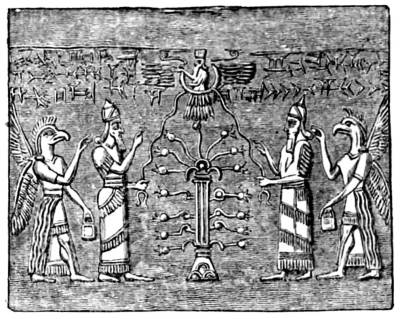
In particular, there is a profound connection between trees and spirituality, life and continuity. This is unmistakably grounded in the LORD God’s trees of life and death.
“And out of the ground made the LORD God to grow…the tree of life…[to] live forever…and the tree of knowledge of / control over good and evil…[to] die.” (Genesis 2:9,17)
When the Bible and pagans speak the same language, this is not using shared imagery, but voicing the same reality.
As in spirituality, so also in psychology – incorporating both the knowledge of good and evil into who we are provides control over our actions for both good and evil.
“Name it to tame it” was coined by a psychiatrist as the simple act of identifying our emotions to provide more effective control over them.
This is incorporated into the clerically trained psychologist Carl Jung’s concept of the “shadow as the repressed parts of ourselves, the parts we find unpleasant or cannot tolerate acknowledging (Jung, 1958).
Jung’s therapy consists of “shadow work” – acknowledging the dark side of our psyche in order to prevent it from consciously – or subconsciously – controlling us.
This is consistent with biblical truth.
“If we confess our sins, he is faithful and just to forgive us our sins, and to cleanse us from all unrighteousness.” (I John 1:9)
The difference, of course, is that only the Singularity LORD God can provide an unending source of power in order to choose the good.
This does not apply to immortal beings, however, in their unchangeable fallen state. Evil spirits can only pursue activation for as long as this mortal world provides resources for transfer of energy from mortal, self-sustaining beings due to our ability to convert mass to energy.
The common assumption, portrayed in the many superhero stories, is that the key to power over the opposition is being bigger, stronger, smarter, or having a unique superpower, like a hurricane, to take away life.
And so, the mastermind Satan devised a plan to blend the best of both “species”.
-
In Hesiod’s ancient Greek account of the Bronze Age, Zeus / Satan created a new race of men as weapons of war against YHVH’s created humans.
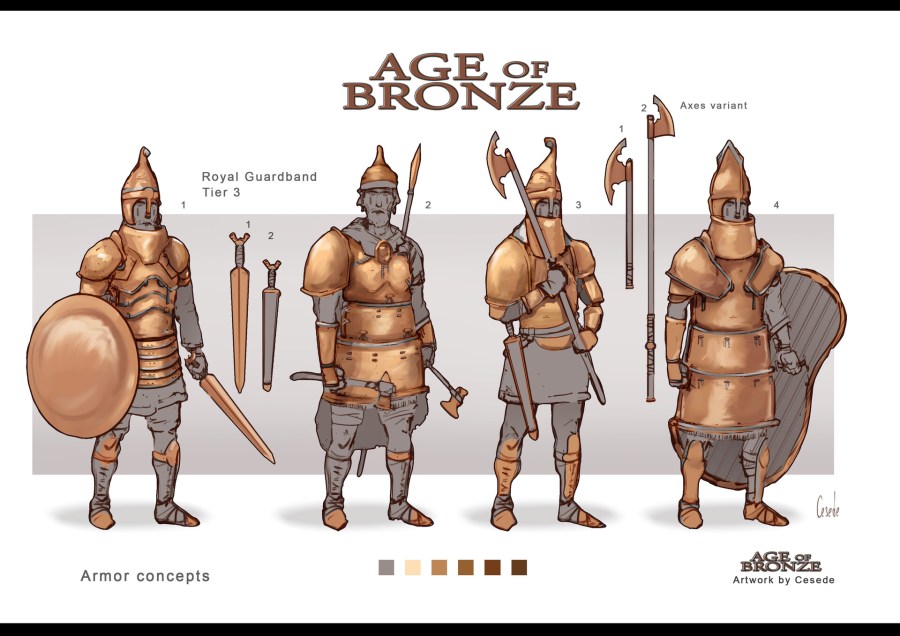
Using ash trees to make shafts / bodies and adding bronze points, the joining together of these two diverse elements – organic [wood that decays into dirt] with inorganic [non-decaying metal] formed indestructible warriors, controlled in the spiritual dimension by the [always gender queer] god”dess” Ishtar, to whom is attributed both extreme fornications and bloodshed.