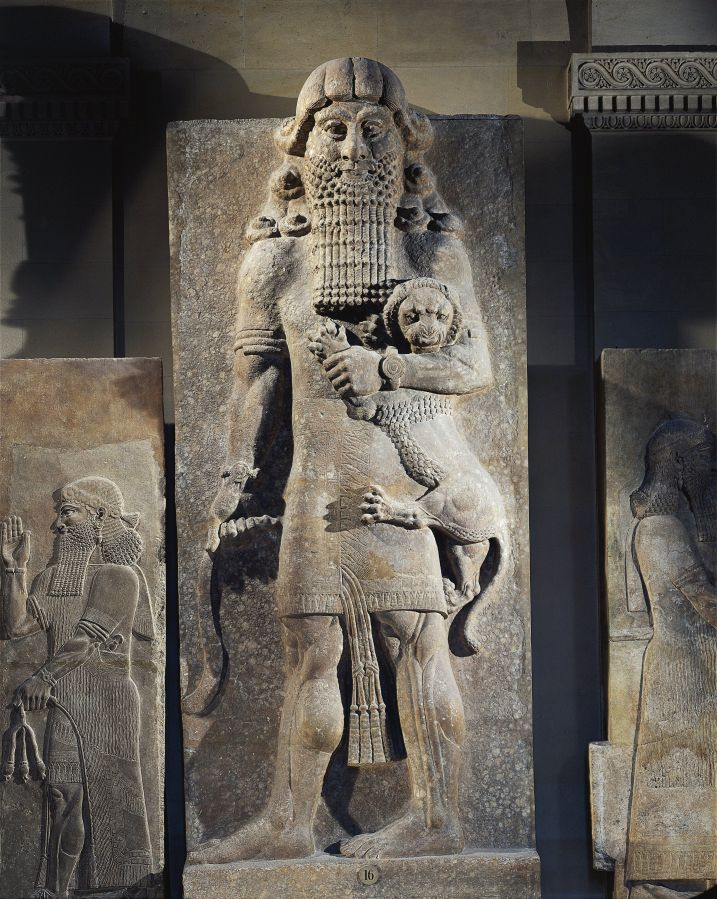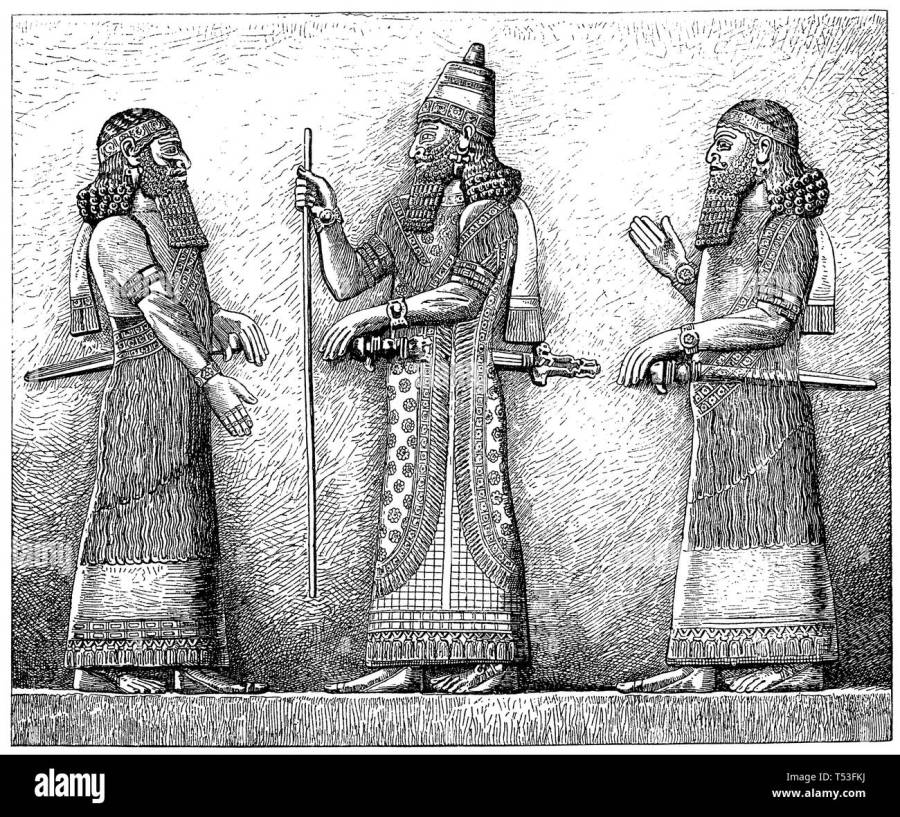
Closely following in his ancestor Cain’s steps as adversary to the order of Melchizedek, Arphaxad / Gilgamesh gave himself yet another title – Sharru-ukin / true king.
The definition of true in this context is not as the opposite to false but “rightul because fully fulfilled, ideal, belonging to the same natural group, legitimate guaranteed“. Sargon was conducting a political campaign to win essential support from elites with resources. Think Donald Trump’s being voted into absolute world-wide power in the American democratic system.
His biggest rival was, of course, Noah’s party, the YHVHists whose proven success by their family’s survival, with livestock, of the world-wide flood that had wiped out every other living creature should have been a massive obstacle to defeating him. However, the biggest drawback to Melchizedek’s Monotheism is its insistence on “One Way, a strait [as in the Strait of Hormuz] gate, and narrow is the way, which leadeth unto life.” (Matthew 7:14), which Antichrists play to their advantage with “All Roads Lead To Rome”, i.e. many different ways of reaching the same goal.
As detailed in a previous post, the spirits of the drowned hybrids survived the flood as demons desperately seeking re-incorporation. It should be understood without having to be stated that promises of “friends with benefits” were being made to the many entrepreneurs in the Mesopotamian version of the Wild West Gold Rush.
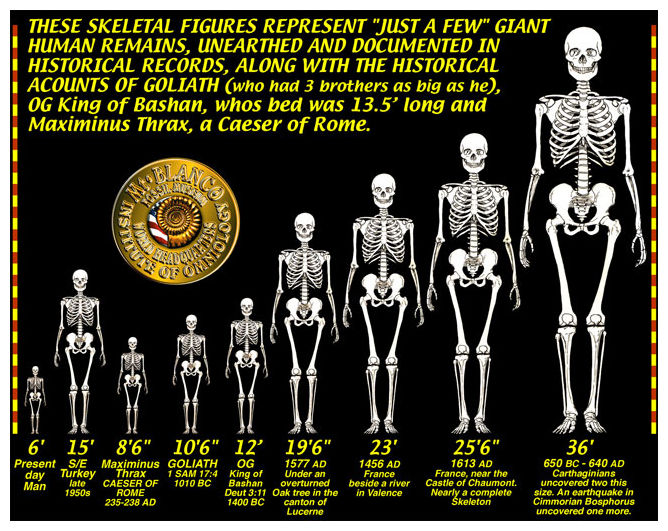
What Sargon was asserting as “true” king is that he, not Noah with YHVH, nor any of his pagan rivals with their devil-may-care spirits, was imbued with greater power from on high like the pre-flood Supermen whose exploits inspired awe. And from all appearances, Sargon was the exception to the rule.