Rome having fallen into a state of interminable civil war, in 284 Diocletian Augustus restores stability by the only means possible – an authoritarian system of government in which the title of the emperor changed from princeps, or “first among equals,” to dominus, or “master”. He reorganizes the administrative and military machinery with Maximian Augustus managing the west, and himself the east, and appoints Constantius I and Galerius as caesars / heirs in hopes of a smooth transition of power to well-trained successors.
305 – Diocletian and Maximian abdicate and are succeeded by their chosen heirs, but upon the death of Constantius in 306 the hoped-for smooth transition fails when Constantius’ army makes their choice, proclaiming his son Constantinus the next augustus (emperor) at Eboracum (York, England) and wars of succession ensued against the emperors Maxentius and Licinius
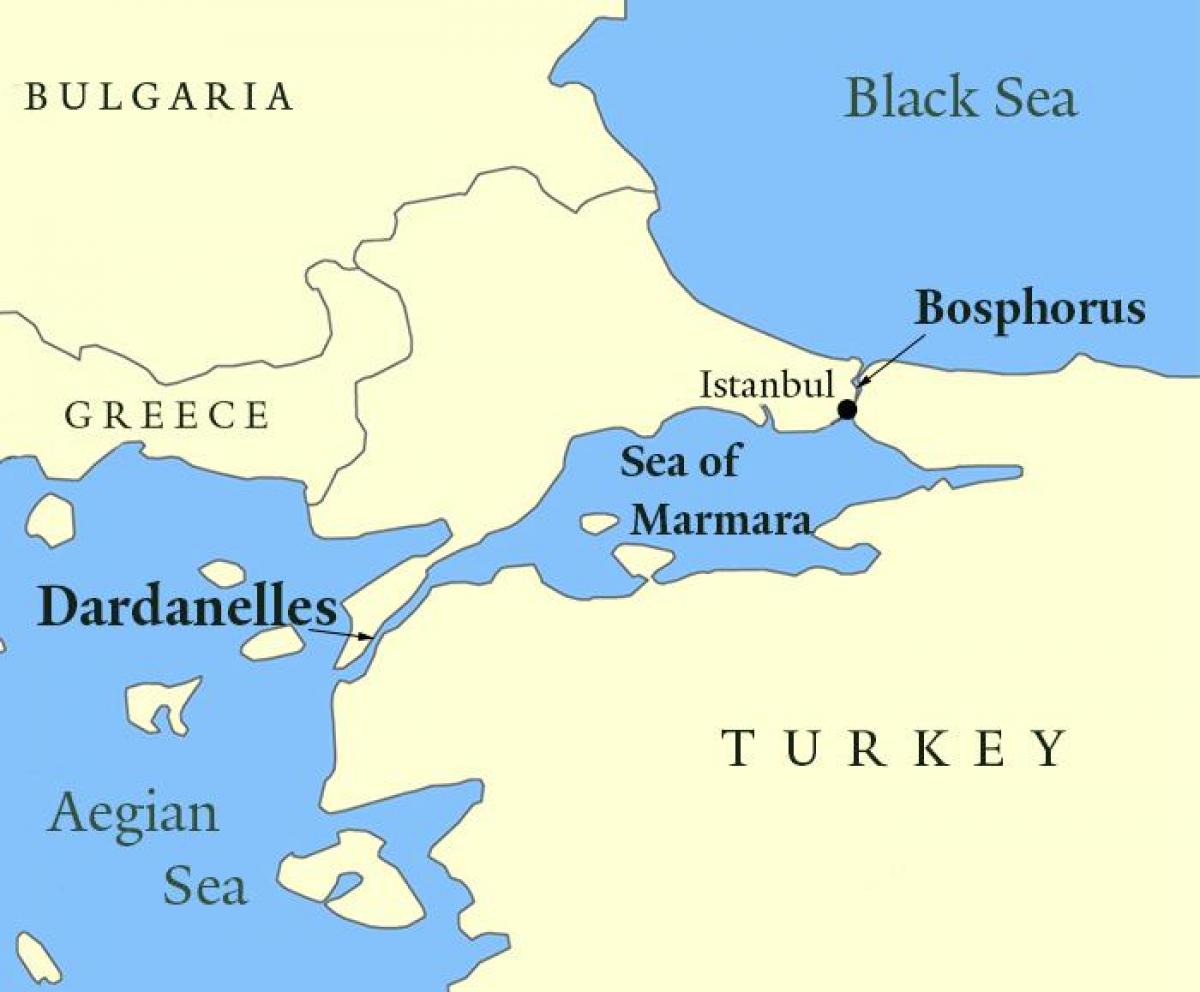
324 – Constantine “The Great” wins the contest and re-asserts the tried-and-true means of stability through authoritarianism, becoming the sole ruler of the Roman Empire. Using the strategic military and commercial location of the Greek city of Byzantion on the European side of the Bosphorus straits – just a short trip north of ancient Troy, he relocates his capitol to what he first called Nova Roma, then changed to glorify himself and his god to Constantinople, later changed again after Islamic takeover to Istanbul.
380 the emperor Theodosius I published the Edict of Thessalonica making Nicene Christianity the state church of the Roman Empire, and, in the first known secular law defining national religious orthodoxy. Barbarian tribes eager to become friends with benefits with Rome were required to enforce nation-wide conversion to Christianity as a stipulation of Rome making an alliance or accepting surrender. The Code also repressed Christians deemed heretics for rejecting Nicene teaching.
This is a key identifier of the fourth empire that imposes an apostate religious orthodoxy.
“And he shall speak great words against the most High, and shall wear out the saints of the most High.” (Daniel 7:25)
Rome’s Christianity was simply a veneer over a hybrid paganism.
Since Odin sacrificed himself on a tree like Jesus, the Northmen’s Odin and son Thor were easily exchanged for YHVH and his son Jesus, especially as Rome’s version of Christianity was not so much focused on scriptural turning from sin to righteousness as it was similar to paganism’s making deals with the spirits for current benefits, going back to Constantine’s rise to power.

382 Gratian, acknowledging the importance of the Christianization of the Roman empire, surrendered his imperial role of Pontifex Maximus to Pope Siricius.
385 The Roman Empire’s governance, already split between rulers, was sensibly settled into two imperial courts, while remaining a single polity.
The terms Western Roman Empire and Eastern Roman Empire were coined in modern times, not used at that time.

476 By convention, the Western Roman Empire is deemed to have ended when the barbarian Odoacer deposed the sitting ruler Romulus Augustus, but in fact Odoacer submitted himself to the current Eastern Emperor as his sovereign, restraining his ambitions to being crowned King of one state in the Empire. Exactly like Herod, who had been King of Judea.

Odoacer settled so many Germanic tribes into Roman territories, granting them Roman citizenship, that he and his successors were henceforth called “King of the Germans.” Now there’s a clue.

527-565 Emperor Justinian in Constantinople devoted his reign to restoring Roman rule to all its old expanse, much of which had been seized by Germanic tribes fleeing the Hun invasion of their northern European homelands. The Code of Justinian systematized the confused accretion of Roman laws and remained in force for a thousand years, becoming the foundation of all modern European and Neo-European (American, Canadian, Australian) legal / i.e. political systems.
800 In return for political protection from the increasing might of the barbarian hordes, Pope Leo III elevated King Charle-magne / Charles the Great of the Franks from an underling king to the “Roman emperor of the West”. Charlemagne moved his capitol from Rome to Aachen, Germany to more effectively focus its attention on the warring Balkan Peninsula. reflected in the name of the country of Romania.