At the time of the Land Grant to unnamed seed in chapter 13, Abram had no seed.
His first seed is Ishmael, whose mother was Egyptian, i.e. from the line of Cush.
“And God said unto Abraham, As for Sarai thy wife…I will bless her, and give thee a son also of her…And Abraham said unto God, O that Ishmael might live before thee!” (Genesis 17)
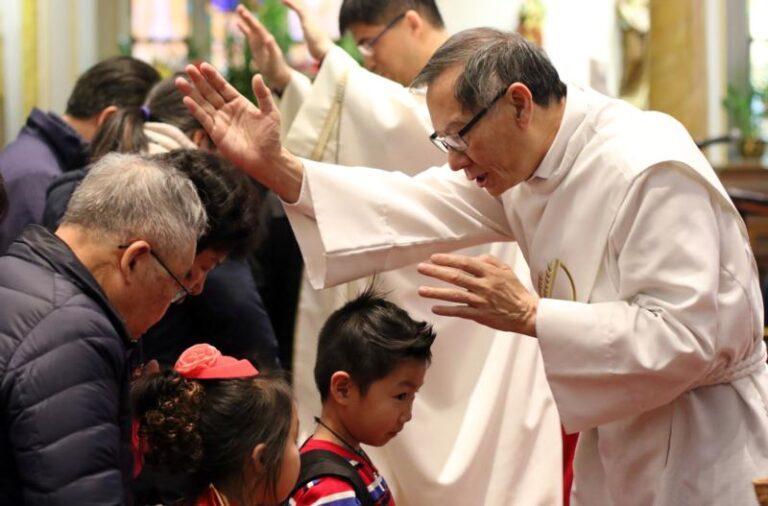
Understand what Abraham is requesting when he uses the formulaic phrase “live before thee / be accepted permanently in thy presence as a ruler of your kingdom.”
Many of the old Babylonian letters…include a greetings formula in which one or two deities are invoked and the hope is expressed that they will give long life to the recipient.
Abraham is clearly following the same formula, also used towards kings in expressing good wishes for the extension of their life / genetics / ongoing rule over the kingdom through their heirs. The contrary condition helps define this blessing.
“whosoever, whether man or women, shall come unto the king into the inner court, who is not called, there is one law of his to put him to death, except such to whom the king shall hold out the golden sceptre, that he may live:” (Esther 4:11)
“When the Son of man shall come in his glory, and all the holy angels with him, then shall he sit upon the throne of his glory…Then shall the King say unto them on his right hand, Come, ye blessed of my Father, inherit the kingdom prepared for you from the foundation of the world:” (Matthew 25:31,34)
Abram is asking that his descent / dynasty also be counted from Ishmael who would therefore also be an heir of the land grant made 15 years earlier.
And God grants Abram’s request.
Continue reading “126) Melchizedeks Share God’s Blessings: Isaac”






 Kingdom Come