
-
Alfred Wegener (1880–1930), a German meteorologist and geophysicist observed that the continents of South America and Africa looked like they would fit together remarkably well. Similar fossils were found on continents separated by oceans, additional evidence that perhaps the landforms had once been joined. He hypothesized that all of the modern-day continents had previously been clumped together in a supercontinent he called Pangaea from ancient Greek, meaning “all lands” or “all the Earth”. Think Pan American Airlines.
This is consistent with the biblical account that “God said, Let the waters under the heaven be gathered together unto one place, and let the [singular] dry land appear: and it was so.” (Genesis 1:13)
Another source of evidence of the breakup of a single land mass into many are the deep scratches and sediments deposits left behind when a melting glacier moves past a smooth rock. The Palaeozoic glaciation on Pangea left scratches on rocks, which today are several continents and far away from each other but match up like scattered puzzle pieces.
Wegener did not know what drove this movement so in keeping with the recently proposed long age speculation to support the new idea of evolution, assigned millions of years of “drift”. Only decades later, in the 1960s technologies adapted from warfare made it possible to more thoroughly study Earth with scientific equipment such as seismometers and magnetometers.
-
Geological research replaced continental [slow] drift with [sudden] plate tectonics.
-
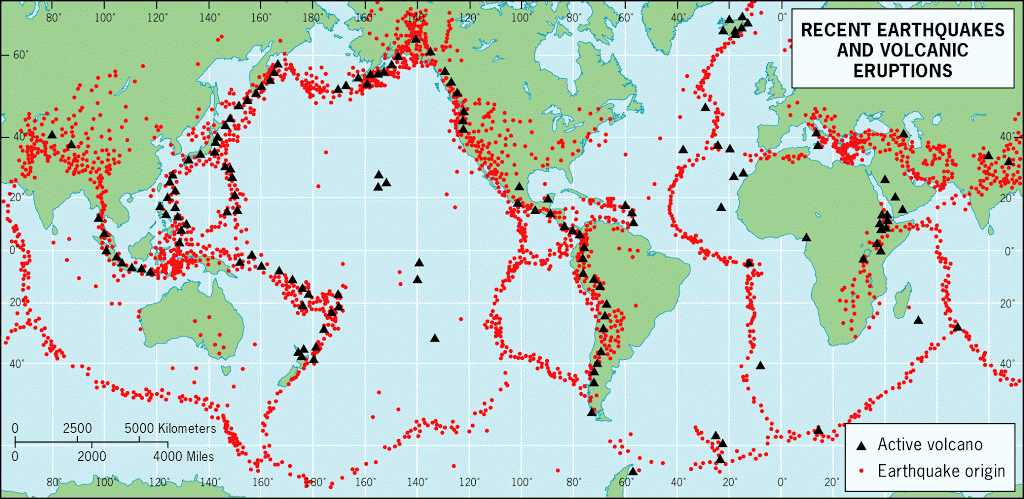
Earth’s outer shell, or lithosphere, consists of roughly 20 large rigid plates on which the continents ride over a slippery layer of Earth’s crust. When these plates hit each other (think two cars on an icy road) their momentum at impact is converted to
1) bouncing apart at oceanic ridges, or
2) crumpling into heaps at subduction zones, or
3) slipping past one another along fault lines.
This releases potential energy as kinetic energy in the form of earthquakes.

.
The following is from a 3rd-5th grade level lesson plan:
Rapid Changes to Earth’s Surface-earthquakes, landslides, volcanoes
Uniformitarianist Geology’s claims – based on an amateur examination of a tiny sample of Earth’s terrain in Scotland, excluding all evidence of volcanoes, asteroid impacts, tsunamis, hurricanes, typhoons, cyclones and sudden climate change – remain (that’s a pun) the foundation of modern geology despite all the scientifically determined geological discoveries over the last 200 years providing unequivocal evidence of catastrophic change caused by volcanic eruptions, large earthquakes, and asteroid impacts.
There is documented evidence that major plate tectonic events occurred within historic civilizations. Extensive mountain-building events (orogenies) occurred where the continents collided with one another. The newly created high mountain ranges strongly influenced local and regional climates.
East-west atmospheric flow in the temperate and higher latitudes was disrupted by two high mountain chains—one in the tropics (Himalayas) oriented east-west and one running north-south (from Canada to Antarctica) —that diverted warm marine air into higher latitudes.
The Oronce Finé World Map displays features of Antarctica with ice-free rivers, valleys, and coastlines while also depicting the approximate location of what is the South Pole today.

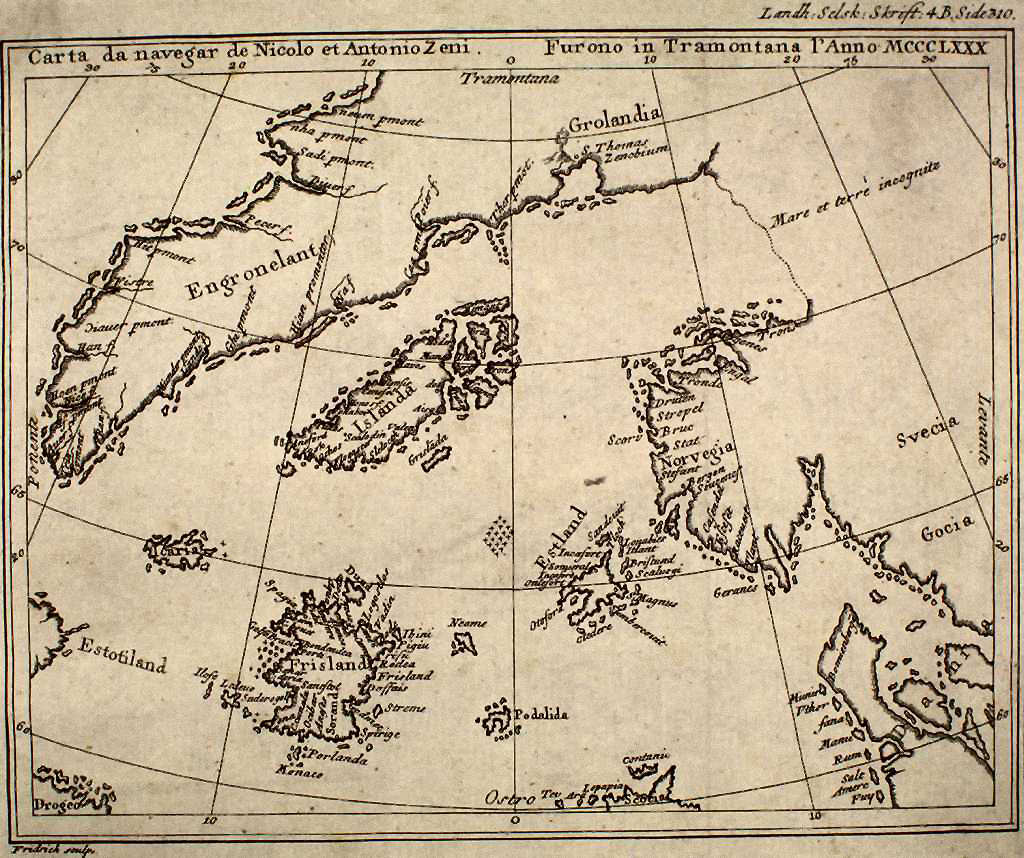
Zeno Map depicts Greenland free of glaciers, meaning that somehow, someone charted it prior to it being covered by ice.
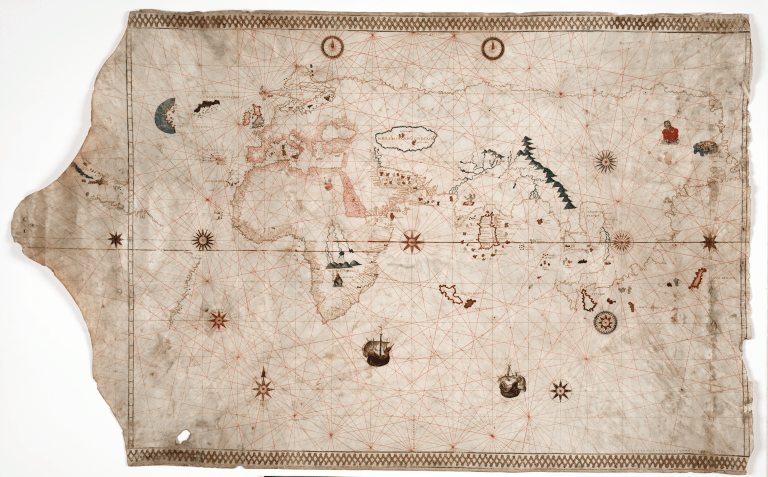
King Jaime World Chart depicts parts of the Sahara Desert prior to current climate, showing fertile land, huge lakes, rivers and what appear to be ancient cities, including the possible location for the fabled Atlantis.
bout 4300 to 4200 calendar years before present (B.P), during an ice age subsequent to the biblical apocalyptic Flood of Noah, the first historical empire was established by Sargon the Great on the broad, flat alluvial plain between the Tigris and Euphrates Rivers (Weiss et al., 1993).
After only a hundred years of prosperity, however, the Akkadian empire collapsed. (Weiss et al., 1993; Postgate, 1992). Archaeological evidence documents widespread abandonment of the agricultural plains of northern Mesopotamia (Weiss et al., 1993) and dramatic influxes of refugees into southern Mesopotamia, where populations swelled (Weiss et al., 1993, Weiss, 2000). The stratigraphic level representing the collapse at Tell Leilan, northeast Syria, is overlain by a meter-thick accumulation of wind-blown fine sediments, suggesting that the sudden demise of this complex civilization is due to a sudden and prolonged period of drought starting at 4025 ±150 years Cullen et al. 2000.
Using biblical chronology given in Genesis 11:10-19, these dates are consistent with the earth breaking up during Peleg’s lifetime, i.e. the drought being caused by sudden climate change resulting from tectonic activity.
The relevance of such abrupt climate change in modern times is evident from a map of the estimated extent of the Akkadian empire:
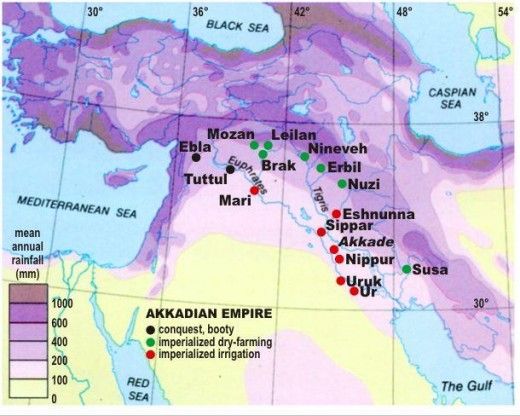
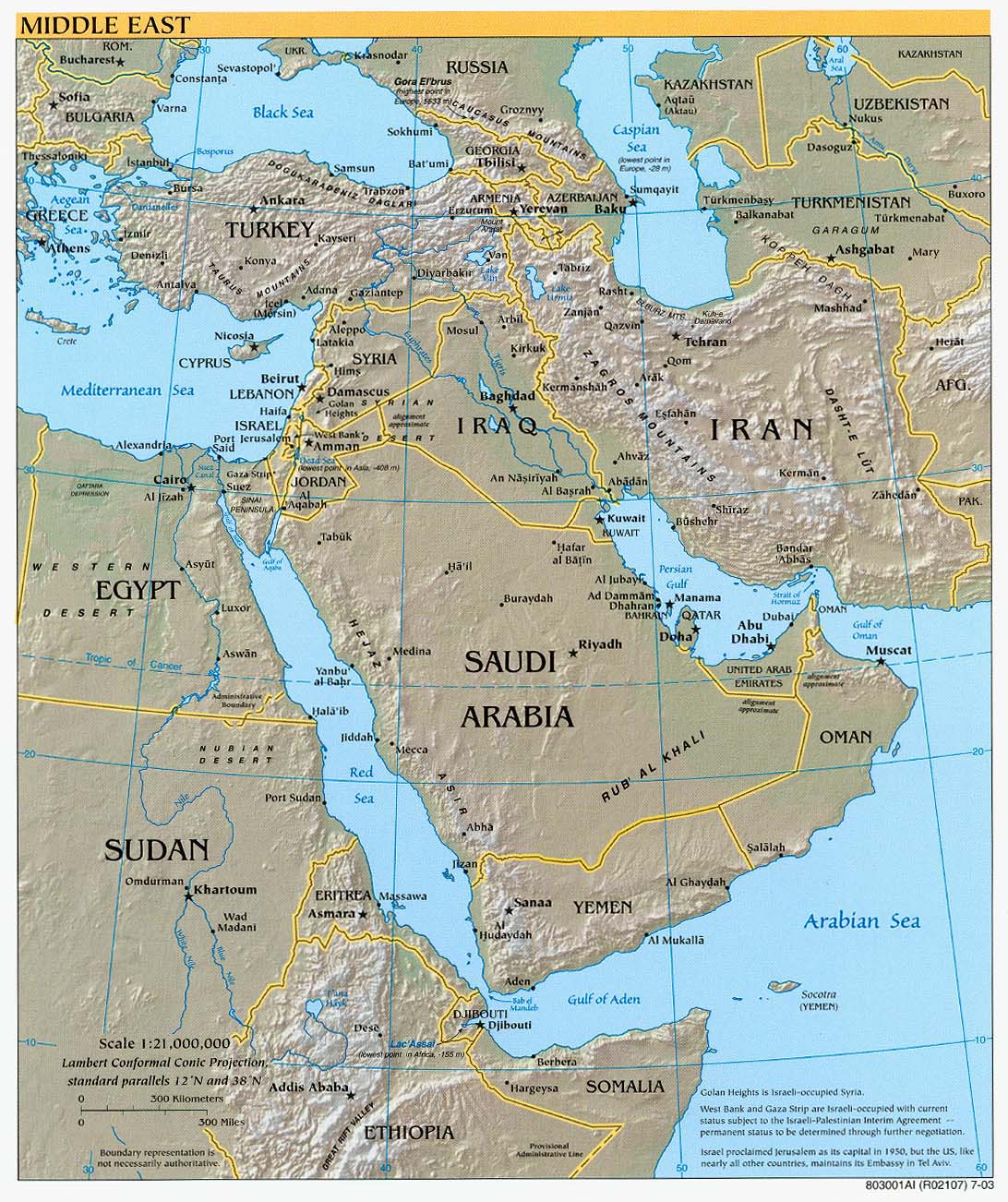
A quick comparison to a map of the modern Middle East, reveals that were such a megadrought to occur today over what is now a region of exquisite geopolitical sensitivity, it would have the same profound human consequences including regime change.
These climate changes are not limited to one region of the world. Akkadian Empire’s drought coincided with a widespread cooling in the North Atlantic (Bond et al., 1997; deMenocal et al., 2000).
March 2023:
Drawing on the findings of almost 800 climate scientists, the IPCC synthesis report provides the most comprehensive, best available scientific assessment of climate change.
Human-induced changes to the climate system that are unparalleled over millennia are now occurring in every region of the world, from rising sea levels to more extreme weather events to rapidly disappearing sea ice. The world must rapidly shift away from burning fossil fuels — the number one cause of the climate crisis.
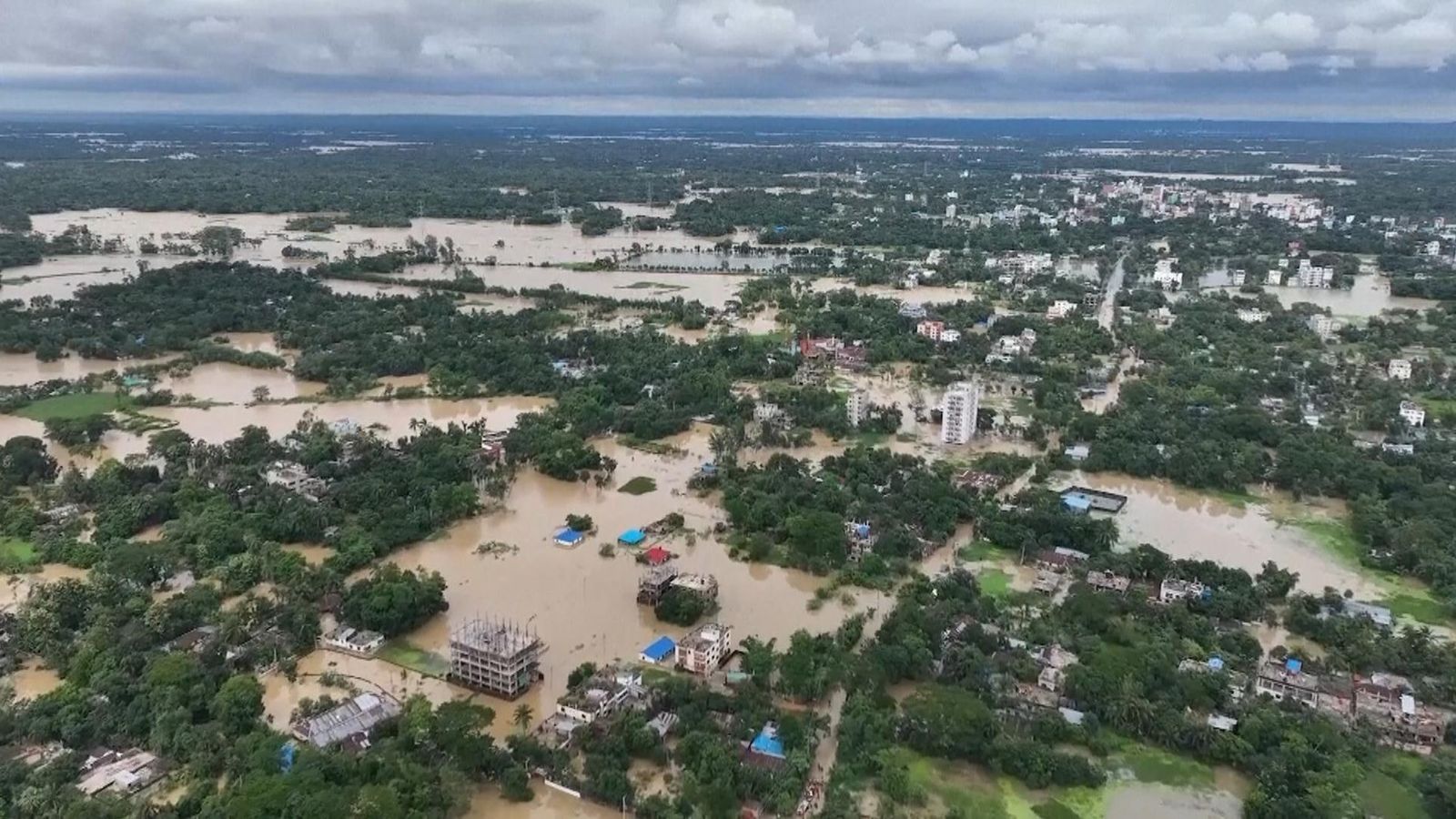
Today, between 3.3 billion and 3.6 billion people live in countries that are highly vulnerable to climate impacts, with global hotspots concentrated in the Arctic, Central and South America, Small Island Developing states, South Asia and much of sub-Saharan Africa. Across many countries in these regions, conflict, existing inequalities and development challenges (e.g., poverty and limited access to basic services) limit communities’ capacity to adapt or survive crises. For instance, from 2010 to 2020 mortality from storms, floods and droughts was 15 times higher in countries with high vulnerability to climate change than in those with very low vulnerability.
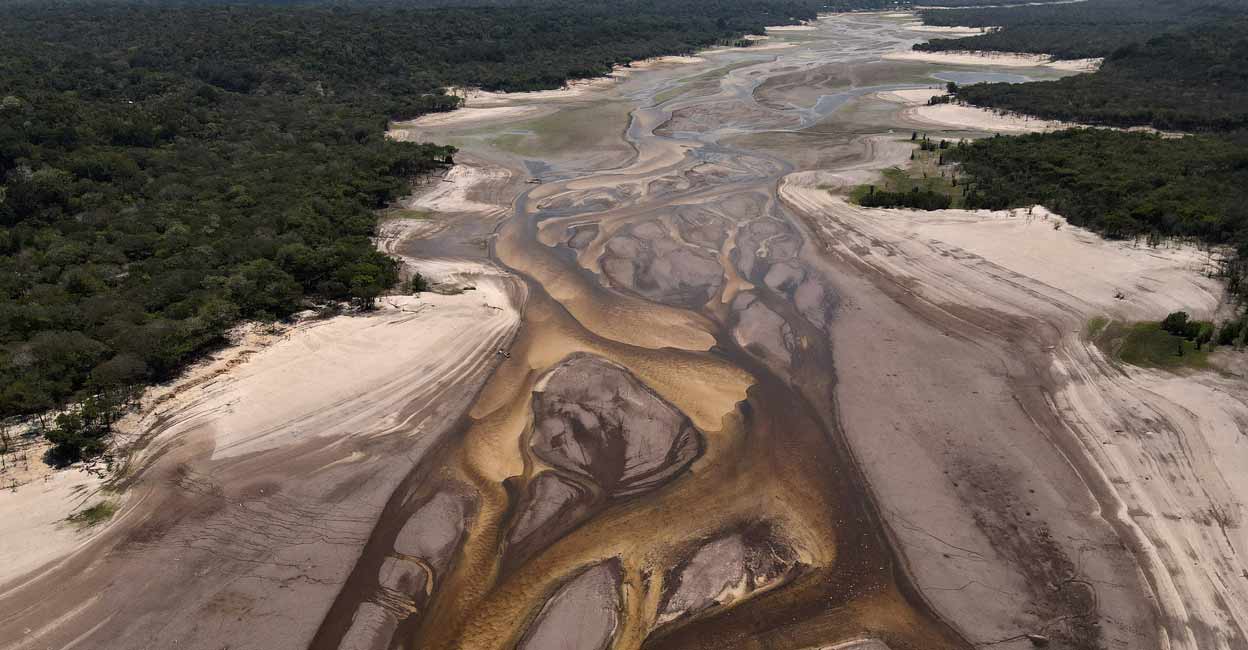
Meanwhile, severe drought is impacting other parts of the world including drying up the mighty Amazon River.
The IPCC’s AR6 makes clear that risks of inaction on climate are immense and the way ahead requires change at a scale not seen before.
Extinction Rates
Mammoths are some of the most famous creatures of the Ice Age and rightly so...they continued living until at around 1700 BC, the same time the Bronze Age began in China, the Indus Valley Civilisation collapsed, and Hammurabi lived and died.
How certain are we of this date?
The same skin of a mammoth was sent to two different labs for carbon dating. The results differed in each test, in one case by more than 14,000 years. This test exposed error rates as high as more than 32%, which of course is well beyond any meaningful scientific perimeter. Accordingly, scientists substitute quality with quantity which simply betrays their awareness that radiocarbon data is worthless.
We are using
- large
- compilations of
- carefully audited radiocarbon dates.
for each mammal species to help us reconstruct their Late Quaternary distributions.
One time frame we know for certain is that extinction of species happens rapidly.
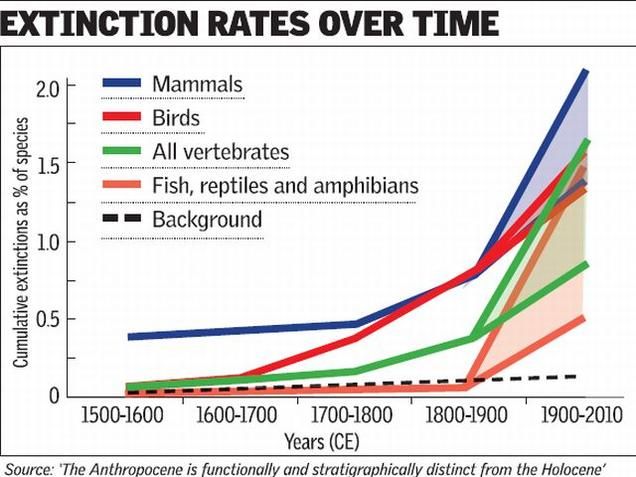
This allows us to correlate a time frame with the circumstances, including climate change, causing extinction.
Rapid Evolution Changes Species In Real Time
“I wanted to watch evolution happen,” says Reznick, now an evolutionary biologist at the University of California, Riverside. He transplanted guppies from a site where they had to fend off cichlids, an aggressive, wide-mouthed fish, to a new site with no predators and no other guppies. Reznick also introduced cichlids to guppy sites without predators.
A century earlier, Darwin had assumed that evolution takes tens to hundreds of thousands of generations to produce new species — a plodding path so slow it is essentially invisible…
[Reznick] found that within four years — a mere six to eight generations — male guppies had significantly changed their reproductive patterns. Those transplanted from a high-predation site to a stream without predators were larger, matured later and reproduced more slowly. Where Reznick had introduced predators, the guppies adapted by maturing at an earlier age. Survival became a race to produce more babies.
“The risk of death alters the ways organisms allocate resources for survival,” Reznick says.
Researchers who once assumed evolution required millennia are documenting species adapting in mere decades, or even shorter time frames. Mosquitoes that colonized the London Underground in 1863 are now so different they can no longer mate with their above-ground relatives. Chinook salmon from Alaska to California needed just a human generation to become smaller and shorter-lived after an increase in commercial fishing in the 1920s. Adaptation is happening right under our noses, in our lifetimes.
-
After a prolonged battle with the disease a teenage finally recovered from H5N1 avian flu. However, genetic analysis of the virus that infected her revealed alarming mutations that could potentially enhance the virus’s ability to target human cells and cause severe illness. With 66 human cases reported in the U.S. in 2024, experts are increasingly worried about the virus’s evolving potential and its implications for future outbreaks.
“Only time will tell…” That is just loaded with implications. Time is defined by deterioration, not increasing complexity. Time is defined by death.
Tragic consequences from ignoring reality do not just apply to climate change, signs of cancer, or world war.
Anyone who accepts evolution rejects the Infinite Singularity who not only gives, but sustains life indefinitely. Doesn’t this decision deserve at least as much investigation as one would give before investing one’s life savings with an unknown telephone stocks solicitor?


 Kingdom Come