
Interestingly, the first time the word “covenant” is found in the Bible is with Noah, but as detailed in post 32, this does not deny the existence of this covenant made by God when he said
“Let us make man[kind] in our [androgynous] image and let them have dominion.” (Genesis 1:26-27)
“For when God made promise to ______ [everyone he ever made a promise to], because he could swear by no greater,
- he sware by himself, Saying, Surely blessing I will bless thee…For men verily swear by the greater:
- and an oath for confirmation is to them an end of all strife.
Wherein God, willing more abundantly to shew unto the heirs of promise the immutability of his counsel, confirmed it by an oath:
That by two immutable things [swearing and an oath], in which it was impossible for God to lie, we might have a strong consolation,
- who have fled for refuge to lay hold upon the hope set before us of the soul, both sure and stedfast.
- Which hope we have as an anchor.” (Hebrews 6:13-19)
Sure sounds like the author of this statement is thinking about Noah’s ark.
The LORD is not making but establishing / making to stand firm / confirming / deeding over the existing covenant of dominion made
- first with Adam after the serpent tried to end it with the only two humans alive at that time,
- then with the lineage of the Seed of the Woman after Cain tried to end it by killing the first Seed of the Woman.
“The earth is the LORD‘s, and the fulness thereof; the world, and they that dwell therein. For he hath
- founded it upon the seas [chaos above and below the firmament],
- and established it upon the floods / forces of destruction
- during the nights of creation
- the era of giant demigods,
- and now the deluge.” (Psalm 24:1-2)
We really need to clarify our understanding of covenants beyond suburban tract housing.
- The Pre-Ceremony Actions
- The Selection of the Covenant Representatives and the Cutting
of the Covenant Sacrifice - The Exchange of Robes, Belts, and Weapons
- The Walk unto Death
- The Pronouncement of Blessings and Curses
- The Seal of the Covenant Mark
- The Exchange of Names
- The Covenant Meal
- Before enacting the covenant, the two parties would discuss the terms, conditions, the promises of blessing, and the warning of curses, weighing the advantages and disadvantages of the treaty. In the case of large groups like nations, a covenant representative was chosen on behalf of each party to assess whether the personal sacrifices demanded by the pact were worth it. At Mount Sinai Moses represented God, and the elders of the people represented the millions of people.
 To start the ceremony, the representatives would sacrifice an animal, cutting it down the middle from head to tail. As on any butcher, they would be splattered with blood. Seriously, you’ve got to stop visualizing the Bible in Sunday School cartoons and see humans as God sees us.
- Intrinsic to most covenants was the concept that the parties – individuals or groups – were sharing benefits, i.e. they no longer wanted live independently but as one. In lieu of a signed and notarized document, the representatives would exchange a token symbolizing a new social position, new character, and new authority. The exchange of weapons symbolizes a political alliance, the responsibility and the power to defeat each other’s enemies. At Mount Sinai, the most powerful weapon was given, by God alone, in the form of his words, by which he creates and destroys anything in the universe. Two tablets of stone were not needed to fit all the writing. One was a copy for God and the other a copy for the people.
- The two representatives would look to heaven and make a vow to fulfill their obligations or die. After this step, there was no way out. Ironically, failing to rest on the Sabbath day is the first mention of death as a consequence of breaking the Mosaic covenant. This rest from one’s own work is explained later as proof of one’s faith in God’s promise to provide, rather than dependence on one’s own efforts, therefore does indeed have a foundational spiritual aspect.
- Then each would speak into existence the terms of the covenant – the blessings for obedience and curses for disobedience. The blessings would often include abundant harvests, prosperity, good health, and numerous children. Curses would often include retaliation by the injured party, destruction, disease, poverty, famine, and defeat at the hands of their enemies, invoking their national deity(s) to bring about the blessings and curses.
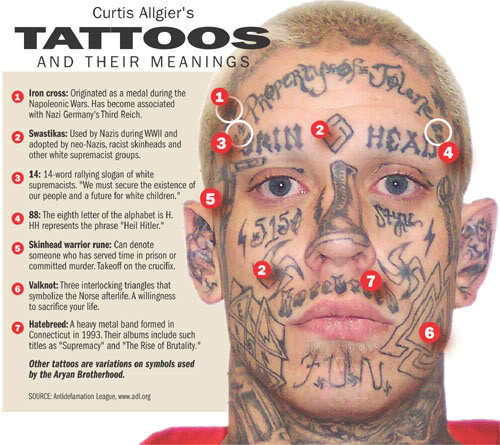 If the agreement was a blood covenant, pagans would seal the covenant by drinking wine commingled with the blood from each representative from cutting. Often they would also take a dark substance and rub it into the cut to create a tattoo, a public reminder that the two were now covenant partners. The Mosaic law prohibited drinking blood, cutting, or making marks; therefore, biblical covenants were often sealed instead with wine, the blood of grapes. This knowledge of ancient customs should help us understand any number of biblical accounts: circumcision as a mark of the covenant of stewardship over the territory God designated for himself, Abraham’s covenantal sacrifice ceremony, and Jesus’ sealing with his disciples of the new covenant in his blood, soon to be shed in sacrifice, by a cup of wine.
 - Exactly as in marriage, the covenant partners would next share their names to establish that that the two entities – nations, armies, whatever – became one and now share personality, character, reputation, essence, and authority. This is recognized in the common practice of taking the name and character of one’s deity as one’s e.g. Yeshua = YHVH is salvation, or Sennacherib = the moon god Sin replaced my brothers (with me). With this information, the change in names of both Abram to Abr-ah-am and Sarai to Sar-ah by adding “ah” has a deeper meaning than just the translation, it added an element of YHVH’s name to indicate covenantal union. Don’t overlook the fact that YHVH also took on the name of his partner as part of the terms of the covenant, from henceforth being known to all the nations as the God of Israel.
 And lastly, the covenant was celebrated with a feast including bread and wine representing the body and blood of the covenant partners. As the new partners ate and drank they made their concluding declaration to live as one in their vows to live for each other. From this point forward, the two parties and all who they represented were viewed as one inseparable individual.
We can apply every step of this ages-old ceremony to the very first between God and the Adams.
- The Pre-Ceremony Actions: God seeks out. the Adams after they hid from God because they were afraid – knew they had broken the law and were doomed.
- The Selection of the Covenant Representatives and the Cutting of the Covenant Sacrifice: Mr. Adam is appointed representative / ruler because he stepped up to bravely care for his partner. God sacrifices animals.
- The Exchange of Robes, Belts, and Weapons: God makes clothes of animal skins for the Adams
- The Walk [Lifestyle] unto Death: Mankind doomed to suffering, the Serpent doomed to destruction.
- The Pronouncement of Blessings and Curses: Undoubtedly repeated and memorized by the Adams as they were spoken into existence by God, but most especially the blessing and curses of the Redeemer who would deliver them from the Serpent, Sin and Death.
- The Seal of the Covenant Mark: Gender changes from unisex in God’s image to male and female.
- The Exchange of Names: Adam’s partner is now called “Eve, the mother of all living”. She shares this identity with Adam by providing his extension of life through children.
- The Covenant Meal: Tilling the earth for sustenance replaces eating from the tree of life.
We see the Adams’ covenantal ceremony in the renewal of vows made by Noah and his family.
From Genesis 8-9:
- The Pre-Ceremony Actions: And God spake unto Noah, saying, Go forth [out of the safety of the] ark,
- The Selection of the Covenant Representatives and the Cutting of the Covenant Sacrifice: thou, and thy wife, and thy sons, and thy sons’ wives with thee. Bring forth with thee every living thing that is with thee….And Noah builded an altar unto the LORD; and took of every clean beast, and of every clean fowl, and offered burnt offerings on the altar.
- The Exchange of Robes, Belts, and Weapons: Not stated but did it really need to be after months living in a barn? As with the Adams, the skins of the sacrificed animals provided much-needed clothing for the participants in the ceremony, and putting on clean clothes in preparation for meeting with Holy God is standard practice noted elsewhere in scripture.
- The Walk [Lifestyle] unto Death: Reiterating the original terms given to the Adams – And God blessed Noah and his sons, and said unto them, Be fruitful, and multiply, and replenish the earth. And the fear of you and the dread of you shall be upon every beast of the earth, and upon every fowl of the air, upon all that moveth upon the earth, and upon all the fishes of the sea; into your hand are they delivered.
- The Pronouncement of Blessings and Curses: neither shall all flesh be cut off any more by the waters of a flood; neither shall there any more be a flood to destroy the earth.
- The Seal of the Covenant Mark: This is the token of the covenant which I make between me and you and every living creature that is with you, for perpetual generations: I do set my bow in the cloud, and it shall be for a token of a covenant between me and the earth…the waters shall no more become a flood to destroy all flesh.
- The Exchange of Names: Not found in this passage but elsewhere Noah is called “a just man who walked with God” (Genesis 6:9) and “a preacher of righteousness (II Peter 2:5)
- The Covenant Meal: Vegetarian replaced by omnivarian – Every moving thing that liveth shall be meat for you; even as the green herb have I given you all things. But flesh with the life thereof, which is the blood thereof, shall ye not eat.
The understanding that this covenant with Noah applies to upholding an existing condition is confirmed grammatically by the additive term “neither” shall all flesh be cut off any more by the waters of a flood;” (Genesis 9:11)


 Kingdom Come