The calendar in Genesis 11 allows us to date the breakup of Pangea at about 200 years after the flood. This correlates with scientific tracking of seismic activity following the initial breakup / all the fountains of the great deep broken up (Genesis 7:11, 8:2)
In seismology, an aftershock is a smaller earthquake that follows a larger earthquake, in the same area of the main shock, caused as the displaced crust adjusts to the effects of the main shock. Large earthquakes can have hundreds to thousands of instrumentally detectable aftershocks, which steadily decrease in magnitude and frequency according to a consistent pattern. In some earthquakes the main rupture happens in two or more steps, resulting in multiple main shocks. These are known as doublet earthquakes, and in general can be distinguished from aftershocks in having similar magnitudes and nearly identical seismic waveforms.
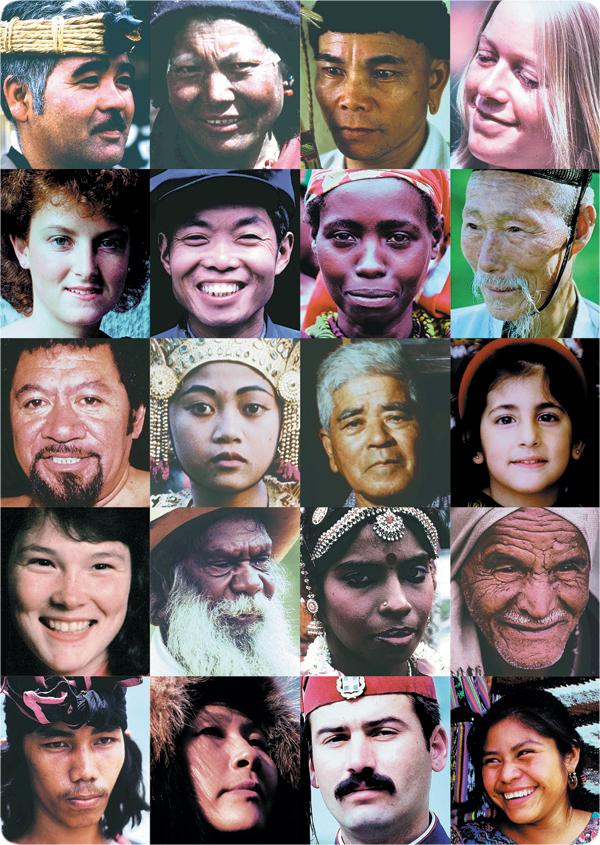
“Now these are the 1) generations / genetics / races of the sons of Noah, Shem, Ham and Japheth…2) in their nations:” (Genesis 10:1, 32)
https://en.wikipedia.org/wiki/Aftershock
There are different interpretations of what was actually divided. If we take a straightforward translation from the Hebrew we accept that the physical earth is what is reported here. Interpreting the report of this earth division as being caused by the usual aftershocks of the initial massive tectonic upheavals during the flood, as described in that post, is simply to be expected. Geological science confirms this interpretation.
The breakup of Pangea into continents surrounded by oceans separated humanity into smaller isolates as well. Enforced inbreeding among geographically separated groups rapidly stabilized the genetic makeup of the groups, identifiable as paternal Y-chromosome and maternal mitochondrial haploid groups.
The breakup of one large landmass at this time would also certainly expedite the breakup of one empire into independent nations – socio-political groupings of people, not necessarily composed of people with common ancestry. One’s genetics – their family – is imposed, for better or for worse, and can’t be changed. But’s ones associates – social, political and religious identity – are valued assets often sought to improve one’s lot in life, which is why multitudes of people emigrate to another country where citizenship is a privilege bestowed on those on those deemed worthy of the benefits of belonging to that nation.
Semites is a term for racial group associated with people of the Middle East, including Arabs, Jews, Akkadians, and Phoenicians. First used in the 1770s by members of the Göttingen school of history, this biblical terminology for race was derived from Shem, but is now obsolete, and replaced by Mongoloid.
Hamites: now called the Negroid division of the human race, found wherever that Indian Ocean touches land, with dark-skin, strongly developed jaws, relatively long arms and kinky or frizzly hair.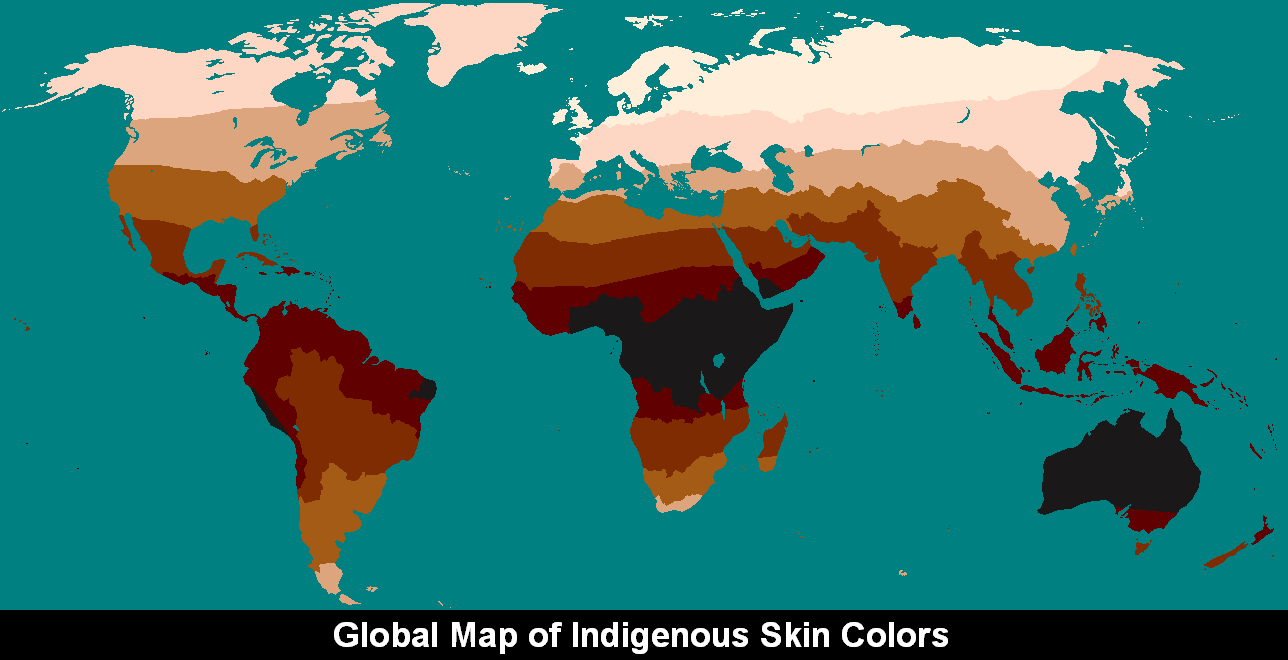
Japhetites, found in ethnological and linguistic writing from the 18th to the 20th century for white people, now called the Caucasian race.
Different from race, a nation is a community of people who share the same language, history, ethnicity, i.e. culture – the knowledge, beliefs, arts, laws, customs, and habits of that defines and maintains the norms and expectations within a society.
“On the Day of Pentecost there many of these nations present: “Parthians, and Medes, and Elamites, and the dwellers in Mesopotamia, and in Judaea, and Cappadocia, in Pontus, and Asia [Minor], Phrygia, and Pamphylia, in Egypt, and in the parts of Libya about Cyrene, and strangers of Rome, Jews and proselytes.” (Acts 2:8-10)
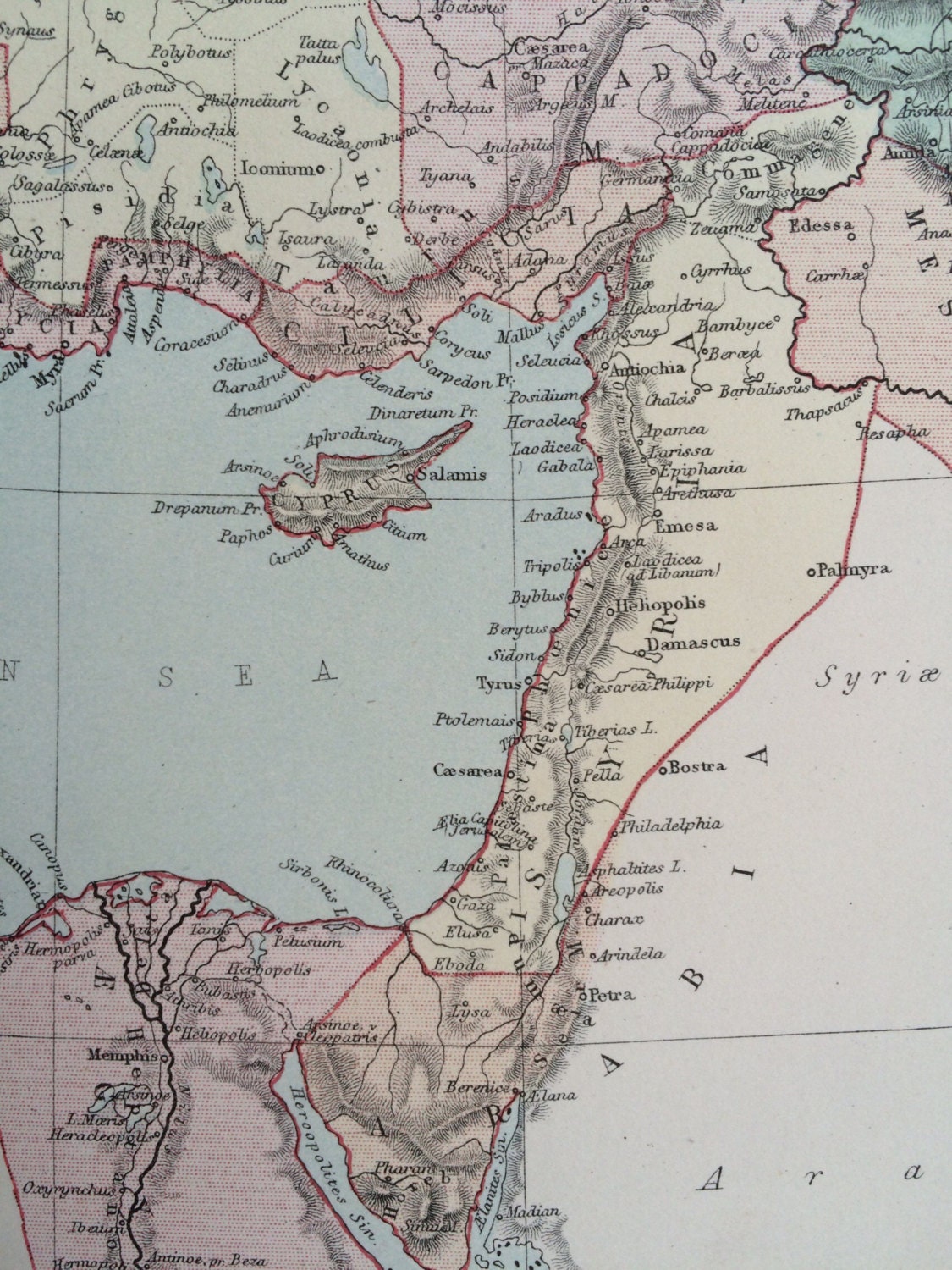
From Josephus’ Antiquities of the Jews 1:6:4: Shem, the third son of Noah, had five sons (Genesis 10:22), who inhabited the land that began at Euphrates, and reached to the Indian Ocean.
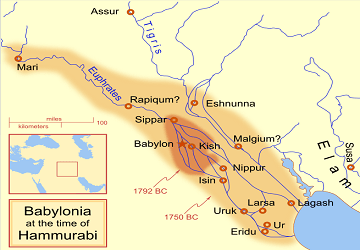
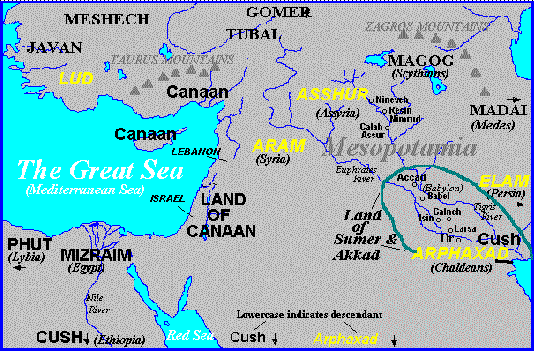
- For Elam left behind him the Elamites, the ancestors of the Persians [Iranians].
- Ashur lived at the city Nineve; and named his subjects Assyrians [northern Iraqis] who became the most fortunate nation, beyond others [from a materialistic perspective.]
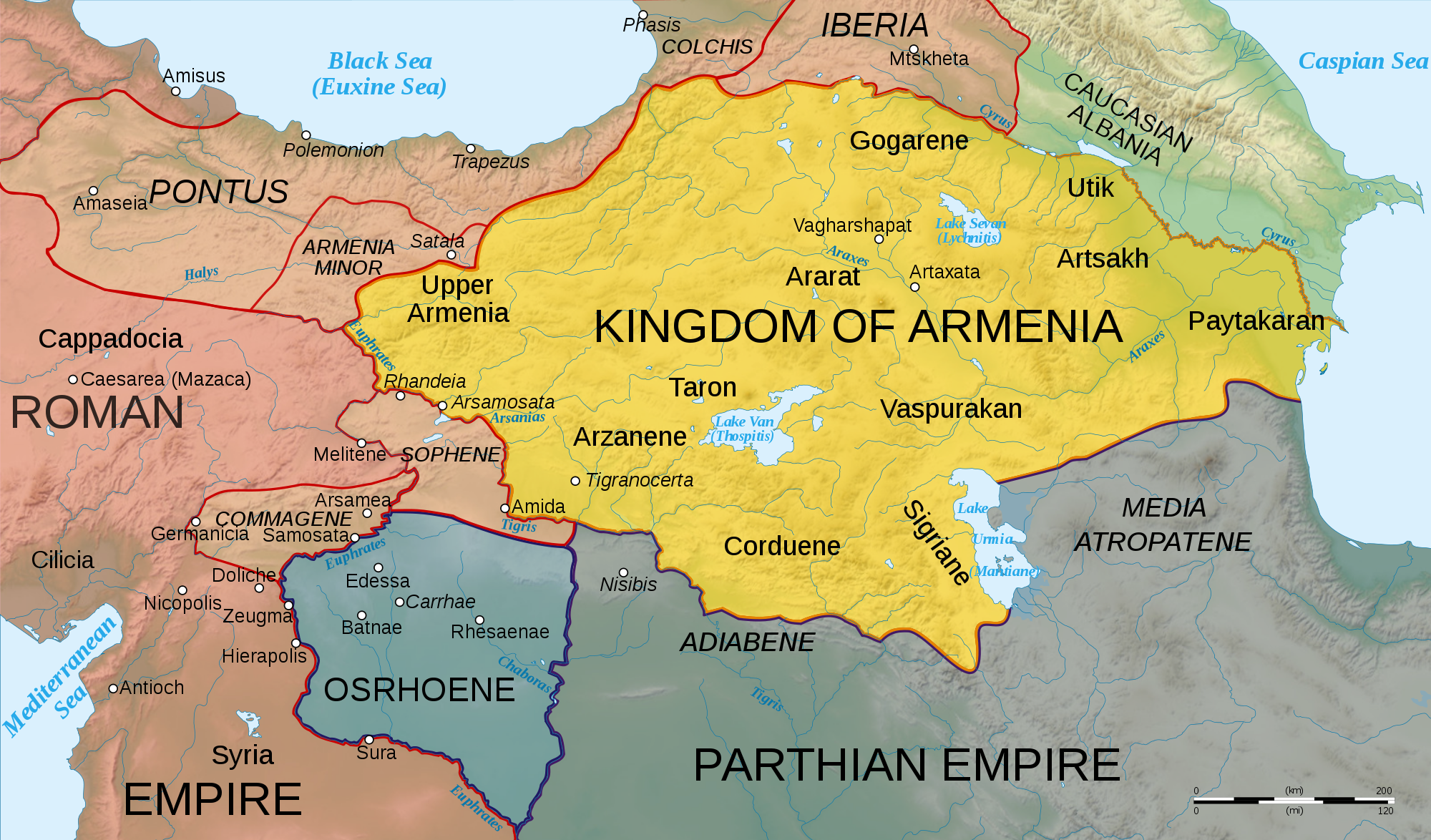
- Arphaxad named the Arphaxadites, who are now called Chaldeans [considered to be the “live continuation of all the indigenous people of Mesopotamia.”
- Laud [aka Lud] founded the Laudites, which are now called Lydians
- Modern eastern Turkey, after whom was named a prominent promoter of the apostle Paul’s missionary endeavors.
- Aram had the Aramites, which the Greeks called Syrians, accounting for all his offspring in the entire territory of Padan-Aram / Land of Aram. Of the four sons of Aram;
- Uz founded Trachonitis and Damascus: this country lies between Palestine to the south and Coeli-Syria / Greater Syria. Due to shifting borders, Damascus was originally included in the land of Uz. now called Lebanon. Job’s residence in the land of Uz and his long lifespan defines his era as soon after the Flood. By linking Abraham’s potential heir Eliezar’s birthplace to Damascus at this same very early era, quite possibly Eliezar was one of Job’s younger sons.
- Ul founded Armenia; surrounding Mount Ararat, currently in eastern Turkey.
- Gather the Bactrians, Modern Uzbekistan, heading east, a wealthy and powerful territory in ancient times. Sometime around 700 BC, but using the language of 1500 BC, one of the world’s most ancient prophets, Zoroaster / Zarathustra, traveled through Mesopotamia opposing polytheism as worship of Daevas / evil spirits. He preached that there is only one God, the creator, Ahura Mazda / Lord Wisdom of Asha / Truth, opposed by Angra Mainyu / Ahriman of Druj / Lie. He stressed the importance of free will and urged the people to follow the path of righteousness and truth.
- Mesa the Mesaneans; it is now called Charax Spasini. [back to southern Iraq].
- Uz founded Trachonitis and Damascus: this country lies between Palestine to the south and Coeli-Syria / Greater Syria. Due to shifting borders, Damascus was originally included in the land of Uz. now called Lebanon. Job’s residence in the land of Uz and his long lifespan defines his era as soon after the Flood. By linking Abraham’s potential heir Eliezar’s birthplace to Damascus at this same very early era, quite possibly Eliezar was one of Job’s younger sons.

Arphaxad’s son Salah is also listed in the “fathers of nations” in Genesis 10 so although we don’t find him listed in the local directory he must have a people group descended from him. Since what we know about the nations comes from sources like Josephus, whose knowledge was limited to the Middle East and perimeter, there is a huge gap in identifying the ancestry of peoples in the Far East and the Americas.
The alternate name of the Indus Valley civilization is the “Sarasvati” civilization” which is just a short boat ride from the mouth of the Euphrates River and corresponds to Josephus’ report that Shem’s descendants migrated east to the Indian Sea. Corresponding roughly to Salah’s lifetime (archeology is not by any means an exact science), this thriving culture, along with Mesopotamia and Egypt, was one of the three cradles of civilization. The linguistic connection of Sarah to Salah is apparent once discovered that Asians are known to mix the “L” and “R” sounds. Another clue is that the language of this culture has been tentatively identified as Semitic.

Archaeological excavations indicate that the region was depopulated about 1900 BC and replaced with Aryan, i.e. Japhethite, peoples, who established the eastern leg of the Indo-European straddle. The standard pattern of dispersion of the original peoples is away from civilization, i.e. further east. Moving on through time as well as space we find that 1766 BC is the traditional date for the founding of the first historic dynasty in China.
Pottery is the classic means by which archeologists identify different civilizations. Which pottery is from the Harappan Indus Valley Civilization and which is Pre-Columbian American?


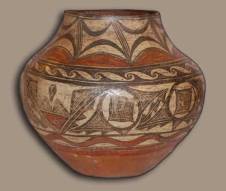
There are many other cultural similarities between the Hindu and Mayan civilizations as well.
We can know for certain Salah’s primary son and their descendants, because they are named and stayed close to home.
“And Arphaxad begat Salah; and Salah begat Eber. And unto Eber were born two sons: the name of one was Peleg; for in his days was the earth divided;” (Genesis 10:24-25)


 Kingdom Come